does eating no sugar help you lose weight Sugar reasons quit infographic bad why health diet much too weight tips loss benefits eating conditions eat intake quitting diabetes
Today, I would like to discuss a topic that holds great importance in the realm of health and wellness: recovering foods. These are the foods that help us restore our physical and mental well-being, enabling us to bounce back from various ailments and challenges. In this post, I will introduce you to some key recovering foods that you can incorporate into your diet to boost your overall health and vitality.
Olive Oil: Liquid Gold for Recovery
 Olive oil has long been considered a staple in Mediterranean cuisine, and for good reason. This golden elixir is rich in monounsaturated fats, antioxidants, and anti-inflammatory compounds, making it a noteworthy recovering food. Research suggests that the consumption of olive oil may help reduce the risk of heart disease, fight inflammation, and support overall brain health.
Cherries and Berries: Nature’s Power Packs
 When it comes to recovering foods, cherries and berries are undoubtedly nature’s power packs. Packed with antioxidants, vitamins, and minerals, these colorful fruits contribute to a healthy immune system and aid in reducing inflammation. Additionally, their natural sweetness satisfies sugar cravings without causing a spike in blood sugar levels, making them a perfect snack for individuals looking to maintain stable energy levels throughout the day.
Walnuts: The Brain Booster
 Did you know that walnuts are shaped like little brains? Coincidence or not, walnuts are indeed a brain-boosting recovering food. Loaded with omega-3 fatty acids, vitamin E, and antioxidants, walnuts have been linked to improved cognitive function. Including a handful of walnuts in your daily diet may help support brain health, reduce the risk of neurodegenerative diseases, and enhance overall mental well-being.
Bell Peppers: Vibrant and Vitalizing
 Bell peppers are not only visually appealing with their vibrant colors, but they also offer a plethora of health benefits. These crunchy vegetables are rich in vitamins A, C, and E, as well as folate and fiber. Consuming bell peppers regularly can enhance immune function, support eye health, and promote proper digestion. They are a versatile recovering food that can be enjoyed raw, roasted, or incorporated into various dishes.
By incorporating these recovering foods into your diet, you can take a proactive approach to your overall health and wellness. Remember, the journey to recovery is not just about treating symptoms but also about nourishing our bodies with the right foods to support optimal well-being.
Disclaimer: The information provided in this post is for educational purposes only and should not replace professional medical advice. Consult with a healthcare professional before making any significant changes to your diet or lifestyle.
If you are looking for Recovering foods - Olive Oil, Cherries, Berries, Walnuts, Bell peppers you’ve came to the right place. We have 5 Pics about Recovering foods - Olive Oil, Cherries, Berries, Walnuts, Bell peppers like Recovering foods - Olive Oil, Cherries, Berries, Walnuts, Bell peppers, 10 Reasons To Quit Sugar: An Infographic and also Pin on Women’s Health & Wellness. Here it is:
Recovering Foods - Olive Oil, Cherries, Berries, Walnuts, Bell Peppers
www.pinterest.comdiet reasons diets 2sharemyjoy prem sullahs weightlossregime pw dietideas fitnessnutrition renegotia cofo readily
Pin On Women’s Health & Wellness
www.pinterest.comReduce Sugar From Your Diet To Help You Lose Weight
 www.feypublishing.comPin On Workout Motivation Women Losing Weight
 www.pinterest.comgq
10 Reasons To Quit Sugar: An Infographic
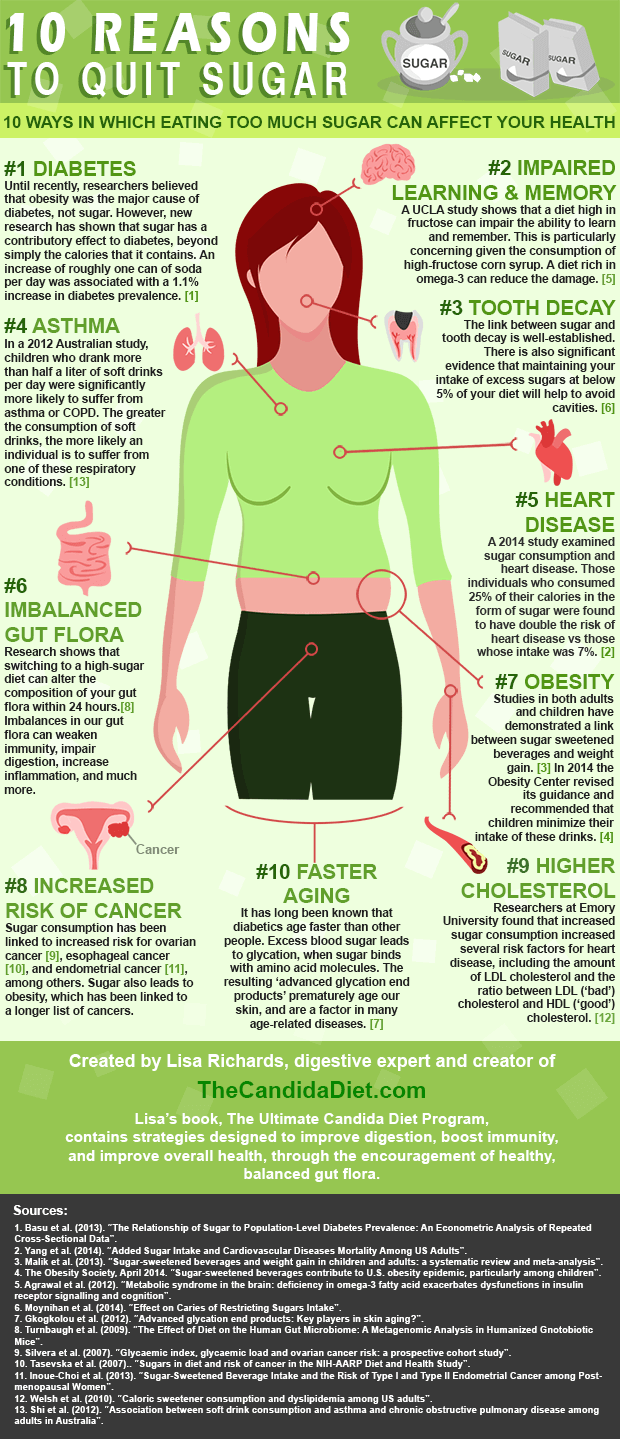 www.thecandidadiet.comsugar reasons quit infographic bad why health diet much too weight tips loss benefits eating conditions eat intake quitting diabetes
Reduce sugar from your diet to help you lose weight. Diet reasons diets 2sharemyjoy prem sullahs weightlossregime pw dietideas fitnessnutrition renegotia cofo readily. Sugar reasons quit infographic bad why health diet much too weight tips loss benefits eating conditions eat intake quitting diabetes